The Master of Lake-town
The Master of Lake-town, the elected ruler of the human settlement of Esgaroth on the Long Lake, is a figure defined by his mercantile pragmatism, political caution, and ultimately self-serving nature. He presides over a town that thrives on trade and tolls, and his primary concern is the preservation of his own position and the town's commercial stability. His role in the story illustrates the tension between the cautious, calculating spirit of commerce and the bold, often reckless demands of heroic adventure and ancient prophecy.
Identity and Background
The Master is the elected leader of Lake-town, a position he owes to his business acumen and his focus on trade, tolls, cargoes, and gold. He is described as a man who gives his mind to such matters, a habit that has secured his rule. Unlike the hereditary kings of Dale or the Elvenking, the Master's authority derives from the consent of the townspeople, who have traditionally chosen their leaders from among the old and wise. This political system makes him acutely sensitive to public opinion and the shifting moods of the populace. When Thorin Oakenshield first arrives, the Master is initially hesitant, skeptical of the dwarf's claims and wary of offending the powerful Elvenking. However, the overwhelming popular enthusiasm, fueled by old songs of the return of the King under the Mountain, forces his hand. He yields to the clamor, giving up his own great chair to Thorin and pretending to believe in the dwarf's identity, a decision driven by political expediency rather than conviction.
Role in the Quest and the Dragon's Attack
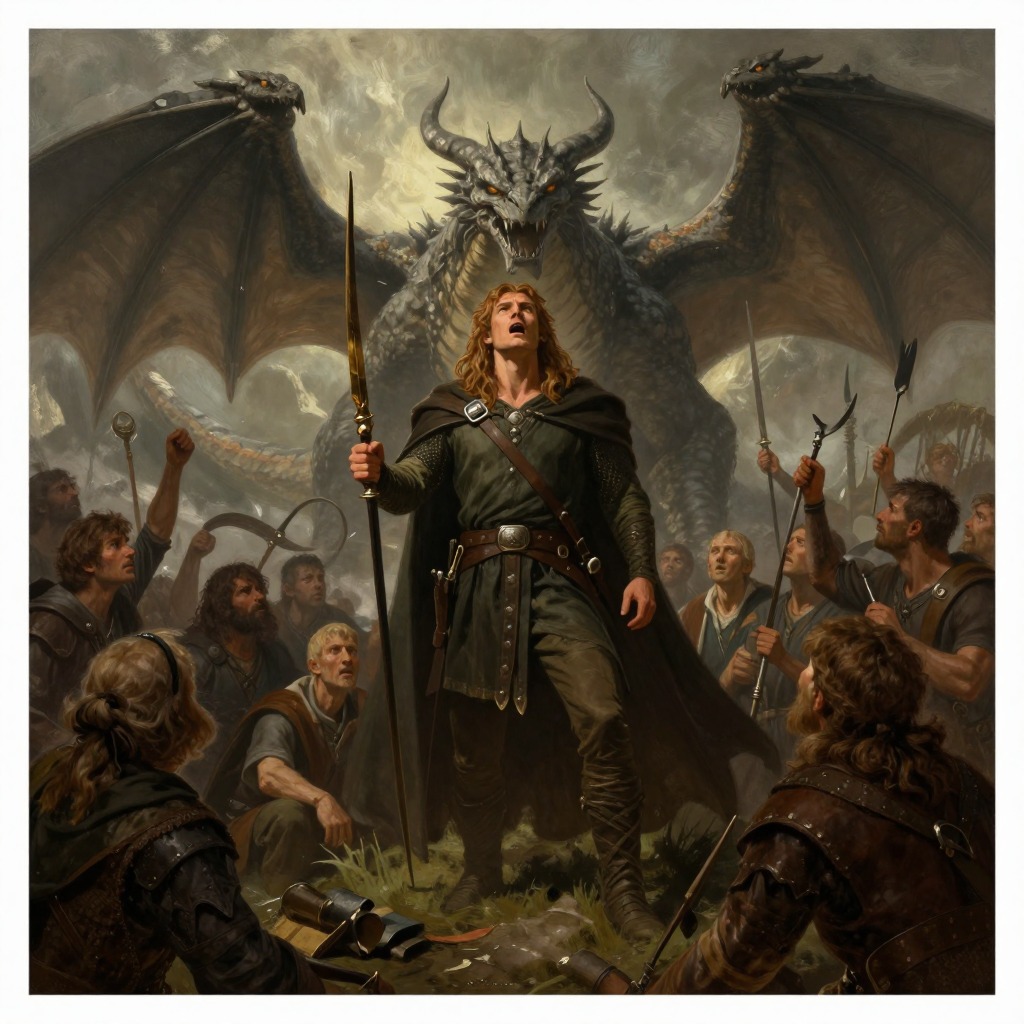
The Master provides Thorin's company with boats, provisions, and assistance for their journey to the Lonely Mountain, but his support is always conditional and self-interested. He is secretly relieved when the dwarves depart, as their presence has disrupted business and turned the town into a long holiday. His true character is revealed during Smaug's devastating attack on Lake-town. While the people are under assault, the Master's first instinct is to save himself, turning to his great gilded boat to row away in the confusion. It is Bard, a grim-voiced descendant of the lords of Dale, who rallies the archers and organizes the defense. After the dragon is slain, the people's anger turns against the Master for his cowardice and for leaving the town so soon. The Master, however, is a skilled politician. He deflects blame by reminding the crowd that it was Thorin and his company who aroused the dragon, turning their anger away from himself and toward the dwarves. He then argues that the people should not be ruled by a mere fighting man like Bard, but by the old and wise, a clear attempt to preserve his own power.
Conflict with Bard and Political Decline
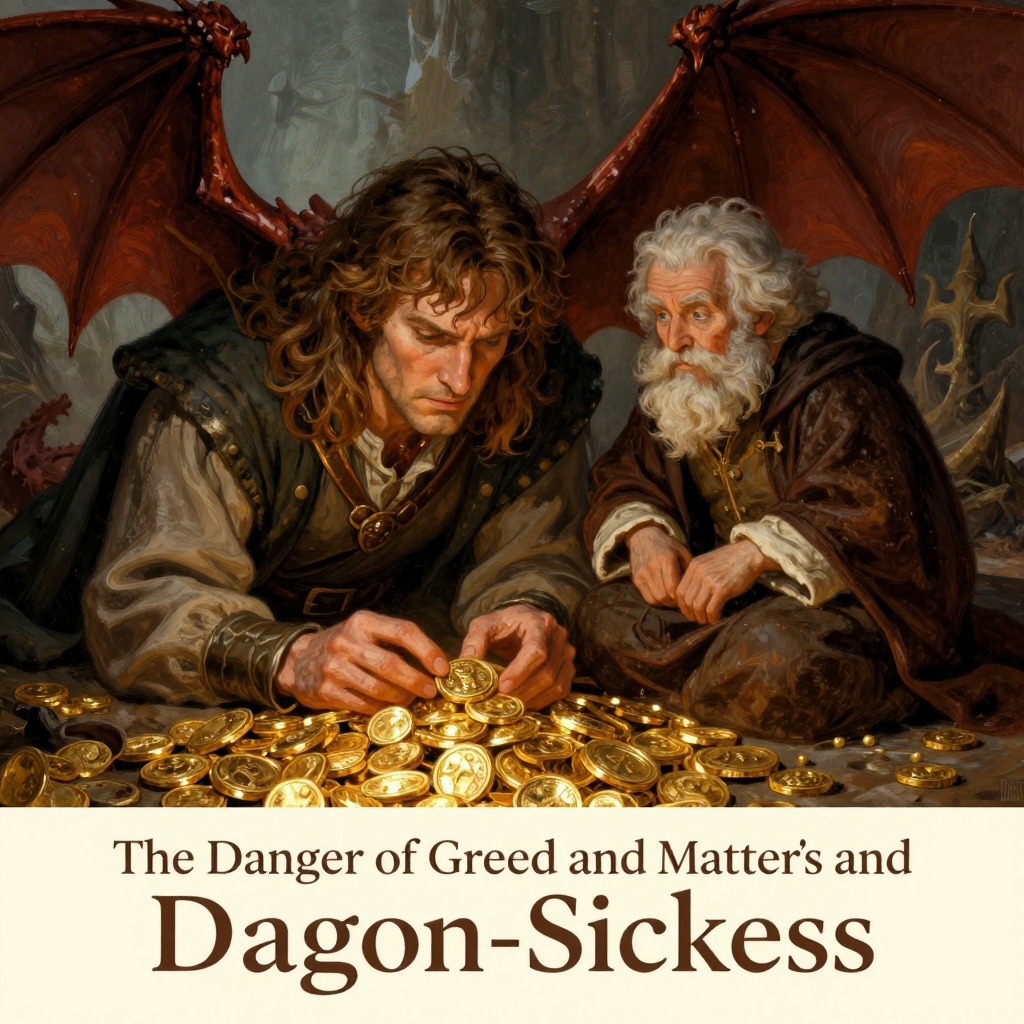
In the aftermath of the dragon's destruction, the Master's authority is directly challenged by Bard, who is hailed as a hero and a king by the people. The Master engages in a bitter political struggle, attempting to undermine Bard's claim by pointing out that Girion, Bard's ancestor, was lord of Dale, not king of Esgaroth, and that the Lake-town has always elected its masters. He tries to dismiss Bard as a mere fighting man, contrasting him with the supposedly wise and experienced leaders the town has traditionally chosen. However, the people, weary of the old order, cry out for Bard as their king. The Master is forced to back down, but he remains in a position of nominal authority, at least for a time. His ultimate fate is a grim one, a direct consequence of his own greed. After the treasure is divided, Bard gives him a large amount of gold for the help of the Lake-people. But the Master, being of a kind that easily catches the dragon-sickness, takes most of the gold and flees with it. He dies of starvation in the Waste, deserted by his companions, a fitting end for a man who valued gold above all else.
Thematic Significance
The Master of Lake-town serves as a foil to the more heroic figures in the story, such as Thorin and Bard. He represents the mundane, self-interested world of commerce and politics, a world that is initially skeptical of adventure and prophecy but is ultimately swept up by them. His character highlights the theme of leadership, contrasting the elected, pragmatic ruler with the hereditary, heroic king. His downfall, caused by the dragon-sickness, underscores the corrupting power of gold, a central theme of the book. The Master is not a villain in the traditional sense, but a weak, greedy, and ultimately tragic figure whose inability to rise above his own self-interest leads to his ruin. His story serves as a cautionary tale about the dangers of valuing wealth over wisdom and courage.